
South Korean retail giant Coupang to compensate $1.1 billion to affected users over data breach
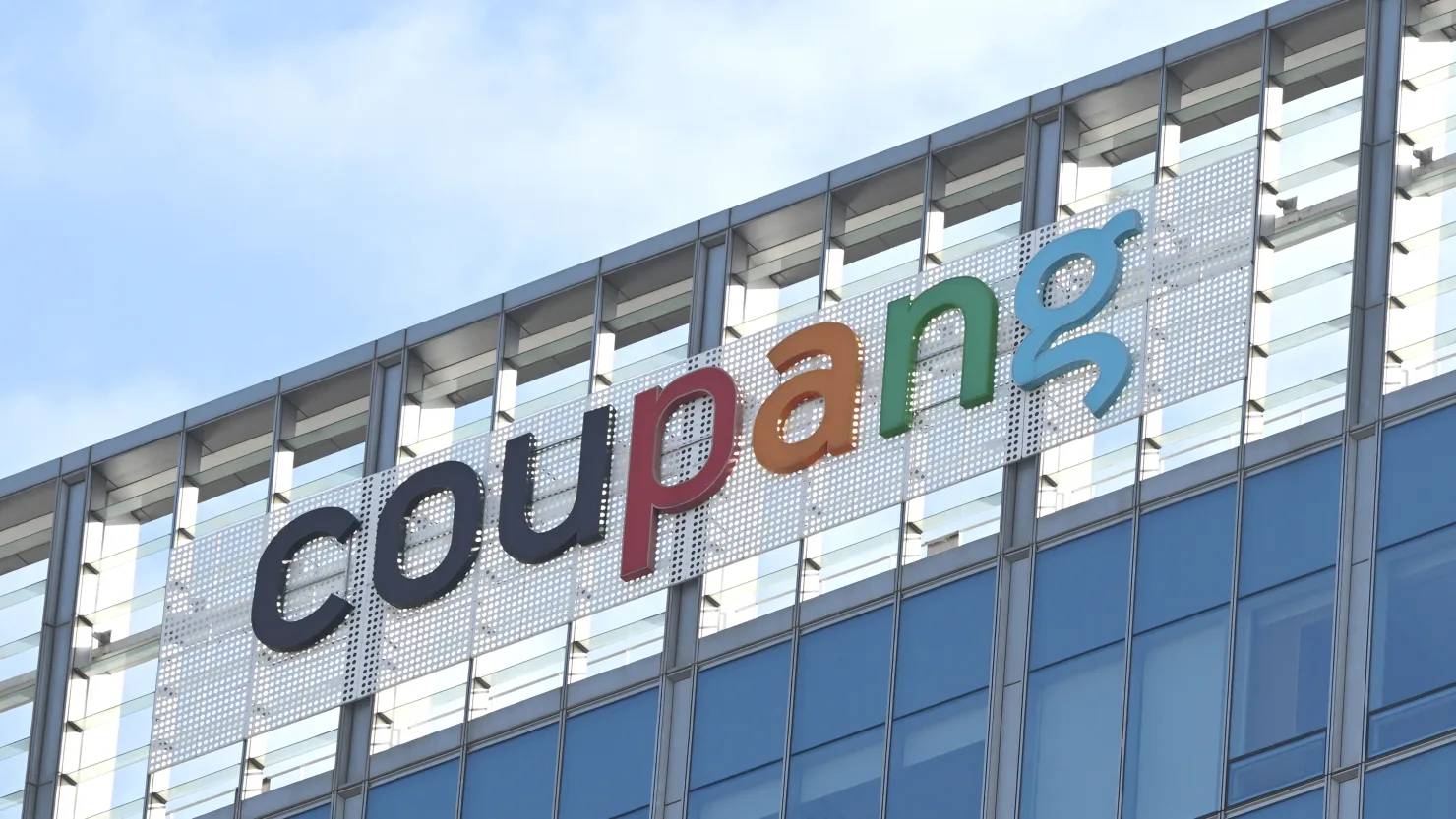
A general view shows the logo of South Korean online delivery service Coupang, at a building housing the company’s headquarters in Seoul on Dec. 9, 2025.
South Korean e-commerce giant Coupang has pledged 1.69 trillion won ($1.17 billion) in compensation to 34 million users affected by a major data breach disclosed last month. The company will issue purchase vouchers worth 50,000 won per eligible customer, extending the offer even to former users who closed their accounts following the incident.
Interim CEO Harold Rogers described the move as a “responsible measure for our customers,” adding that the company would “fulfill its responsibilities to the end.” The compensation plan follows a public apology from founder Kim Bom, who admitted the company’s initial communication was inadequate and said his heart “has been heavy ever since I first learned of the data breach.”
Breach Details and Leadership Fallout
The data breach, revealed on November 18, led to the resignation of CEO Park Dae-jun earlier this month. Coupang initially faced criticism for its delayed response, with Kim acknowledging that waiting to apologize until all facts were confirmed was “a poor judgment.” The company now states it has recovered all leaked customer information through cooperation with authorities and by securing storage devices from a suspect.
According to Kim, the breach was limited to about 3,000 customer records stored on the suspect’s computer, and the data was not distributed or sold externally. However, the scale of the compensation suggests Coupang is prioritizing reputation repair amid intense public and regulatory scrutiny.
A Broader Lesson in Crisis Management
The incident underscores the high stakes of data security in the digital commerce era, where consumer trust can be eroded rapidly by perceived mishandling of breaches. Coupang’s voucher-based compensation model—while costly—aims to retain users and demonstrate accountability. Eligible customers can check their voucher status starting January 15.
For Coupang, which has positioned itself as a dominant force in South Korea’s competitive e-commerce landscape, the breach represents both a financial hit and a crisis management test. How effectively it restores confidence could influence its market standing and regulatory relationships in the months ahead.
Recent
News



Newsletter
Subscribe to our mailing list to get the new updates!

Subscribe our newsletter to stay updated
Most
Reviews
Markets
- Mon, 19 Jan 2026
Yen steady ahead of Japan snap election – Scotiabank
Economy

Business

Markets
- Thu, 22 Jan 2026